A nurse call system is an indispensable part of healthcare facilities, designed to enhance communication between patients and nursing staff. This system allows patients to alert nurses promptly when assistance is required, ensuring timely care and improving overall patient safety and satisfaction. To function effectively, a nurse call system comprises several essential components, each playing a crucial role in facilitating seamless communication and response.
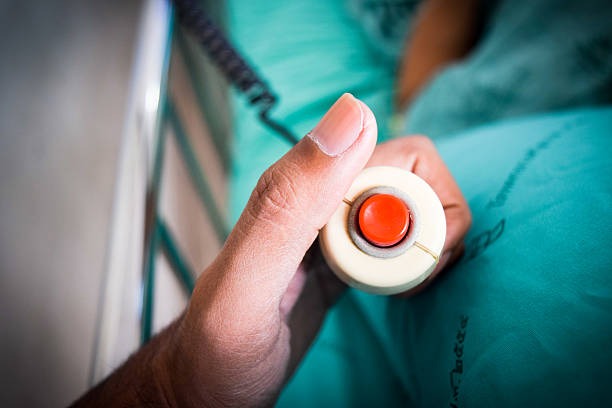
The first vital component is the patient station, often referred to as the call button or pendant. This device is typically installed near the patient’s bed or worn around the neck or wrist, allowing patients to easily signal their need for help. The patient station must be user-friendly, accessible, and reliable, as it serves as the primary interface for patients to communicate their needs. In modern systems, these stations may include additional features such as two-way voice communication or emergency alerts.
Connected to the patient station is the nurse station console, another core element of the system. This console is strategically located at the nursing desk or central monitoring area, where staff can receive notifications of patient calls. The console displays vital information such as the room number or patient ID, enabling nurses to respond swiftly and efficiently. Advanced nurse station consoles may integrate with hospital information systems, providing real-time tracking and reporting capabilities to optimize workflow.
An essential supporting component is the communication network that links patient stations with nurse consoles. This network can be wired or wireless, depending on the facility’s infrastructure. Wireless systems offer greater flexibility and easier installation, while wired systems typically provide more reliability and reduced interference. Regardless of the type, the communication network must ensure rapid and clear transmission of signals to prevent delays in response.
Visual and auditory alert mechanisms also form a critical part of a nurse call system. These include indicator lights, sound alarms, and display panels positioned throughout the facility to notify staff of patient calls. Such alerts help in situations where nurses may not be at the console but can still respond promptly by recognizing the signals. The alert settings should be customizable to suit the environment and avoid alarm fatigue among healthcare workers.
In addition to these components, modern nurse call systems often incorporate integration with mobile devices, enabling nurses to receive calls and updates through smartphones or pagers. This mobility enhances responsiveness and allows staff to manage patient needs more effectively, even when away from fixed stations.
In summary, the essential components of a nurse call system include the patient station, nurse station console, communication network, and alert mechanisms. Together, these elements ensure efficient communication between patients and caregivers, contributing significantly to patient safety, care quality, and operational efficiency within healthcare settings.