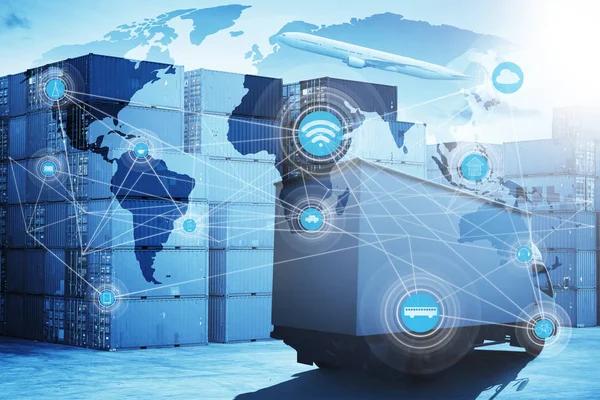
Transportation logistics services play a pivotal role in facilitating global trade, ensuring the smooth movement of goods across borders and continents. In an increasingly interconnected world, where supply chains span multiple countries and time zones, efficient logistics systems are essential to maintaining economic stability and fostering international commerce. These services encompass the planning, implementation, and coordination of various transportation modes such as road, rail, sea, and air to ensure products reach their destinations efficiently.
The significance of transportation logistics lies in its ability to streamline operations for businesses while reducing costs and delivery times. Companies rely heavily on these services to manage inventory levels effectively by optimizing shipping schedules and routes. This not only minimizes delays but also enhances customer satisfaction through timely deliveries. Furthermore, with advancements in technology such as real-time tracking systems and automated processes, modern logistics providers can offer unparalleled transparency throughout uncover the secrets supply chain.
Global trade is highly dependent on the seamless integration of different transportation networks. Ports serve as critical hubs for maritime shipments that handle bulk cargo like raw materials or manufactured goods destined for international markets. Meanwhile, trucking companies bridge gaps between ports or warehouses and final retail locations within a country’s borders. Air freight provides expedited solutions for high-value or time-sensitive shipments that require rapid transit across long distances.
However, managing transportation logistics is not without challenges. Geopolitical tensions can disrupt established trade routes while natural disasters may hinder infrastructure reliability. Additionally, fluctuating fuel prices impact operational costs significantly—posing financial risks to both service providers and their clients alike.