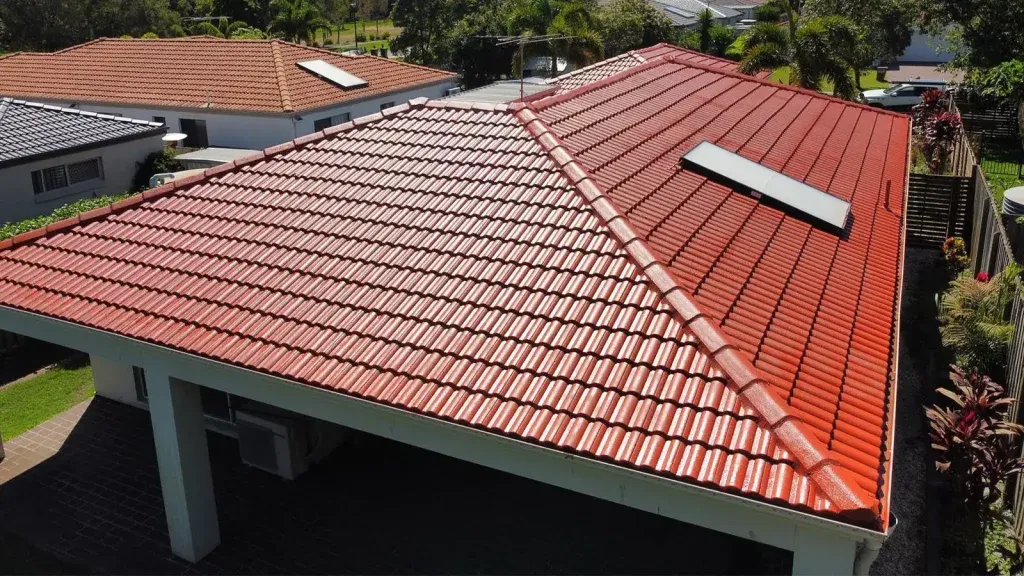
Choosing the right material for modern residential roofing is essential for durability, aesthetics, and energy efficiency. Homeowners today have a variety of options that cater to different climates, budgets, and architectural styles. Understanding the characteristics of each material helps in making an informed decision that balances cost with performance.
Asphalt shingles remain one of the most popular roofing materials due to their affordability and ease of installation. They are made from a fiberglass base coated with asphalt and topped with granules that protect against UV rays. Asphalt shingles offer good weather resistance and come in various colors and styles, allowing homeowners to match their roof with the overall design of their house. However, they typically last around 20 to 30 years before needing replacement.
Metal roofing has gained significant traction in recent years because of its longevity and sustainability. Made from steel, aluminum, copper, or zinc alloys, metal roofs can last up to 50 years or get more info when properly maintained. They are lightweight compared to traditional tiles or slate and provide excellent resistance against fire, wind, and hail damage. Metal roofs also reflect solar radiant heat effectively, which can reduce cooling costs during hot seasons.
Clay tiles offer timeless beauty combined with exceptional durability. These tiles are fired at high temperatures making them resistant to fire and pests while providing natural insulation properties that help regulate indoor temperatures throughout the year. Clay tile roofs often last over 50 years but require professional installation due to their weight and fragility during handling.
Concrete tiles share many benefits with clay but tend to be slightly heavier; however, they provide strong resistance against harsh weather conditions such as storms or heavy rainfalls common in some regions. Concrete tiles come in numerous shapes mimicking wood shakes or slate patterns while maintaining affordability relative to natural stone alternatives.
Wood shakes bring rustic charm through their natural textures but demand more maintenance than synthetic options because they can be susceptible to rot or insect infestation if not properly treated regularly. Cedar is frequently chosen for its natural oils which resist decay better than other woods; nonetheless periodic inspections remain necessary.
Synthetic roofing materials including rubber composites or plastic polymers simulate traditional appearances like slate or wood without associated drawbacks such as brittleness or excessive weight found in real stone products. These options often feature enhanced impact resistance along with lower environmental footprints since many incorporate recycled content into manufacturing processes.
Selecting a suitable roofing material involves considering factors like climate resilience requirements alongside budget constraints while keeping future maintenance needs manageable over time. Consulting experienced contractors ensures proper evaluation based on specific home architecture combined with local building codes adherence so that investment secures lasting protection under changing weather patterns typical for modern residential environments worldwide.