Water damage can have a significant impact on both residential and commercial properties in Vancouver, requiring prompt and effective restoration services. While the core goal of water restoration is to remove moisture, prevent further damage, and restore affected areas, the approach differs between residential and commercial settings due to variations in scale, complexity, and specific needs.
Residential water restoration typically involves addressing issues caused by broken pipes, leaking appliances, flooding from heavy rains, or sewer backups within a home environment. The primary focus is on protecting personal belongings and ensuring the living space is safe for occupants. Residential restorers often work closely with homeowners to minimize disruption while salvaging furniture, electronics, flooring materials such as hardwood or carpet, and drywall. The process usually includes water extraction using specialized equipment like pumps and wet vacuums followed by drying with air movers or dehumidifiers. Mold prevention is critical since homes are vulnerable to rapid mold growth after water exposure. Restoration professionals also inspect structural elements such as wooden frames or insulation for hidden moisture that could compromise integrity over time.
Commercial water restoration in Vancouver presents additional challenges due to larger spaces and find more information complex infrastructure systems found in offices, retail stores, warehouses, or industrial facilities. Water intrusion may result from plumbing failures but can also stem from HVAC malfunctions or sprinkler system discharges triggered during fire emergencies. Commercial buildings often contain valuable inventory alongside expensive machinery that requires careful handling during cleanup efforts. Restoration teams must coordinate with business owners to minimize downtime because interruptions can lead to revenue losses and operational setbacks. Furthermore, commercial properties might involve multiple floors or compartments necessitating a strategic approach for efficient drying across extensive areas.
Another key distinction lies in compliance requirements; commercial restorers must adhere strictly to industry standards set by organizations such as the Institute of Inspection Cleaning and Restoration Certification (IICRC) while considering local building codes applicable in Vancouver’s regulatory environment. Documentation of damages for insurance claims tends to be more detailed given higher financial stakes involved compared to typical homeowner policies.
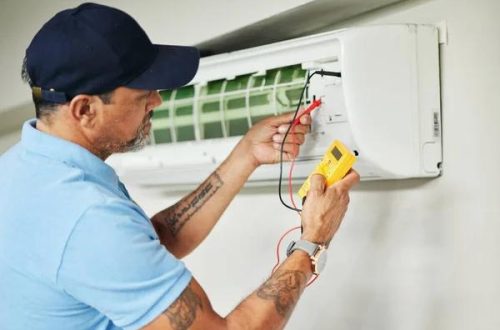
Both residential and commercial projects demand skilled technicians equipped with advanced tools including moisture meters that detect hidden dampness behind walls or under floors accurately. Timely intervention remains essential regardless of property type since prolonged exposure increases risks like structural weakening or health hazards associated with mold spores.
In summary, although residential versus commercial water restoration share fundamental techniques-such as extraction, drying procedures, mold remediation-the scope varies significantly based on property size complexity along with occupant needs versus business continuity concerns unique to each setting within Vancouver’s diverse real estate landscape. Understanding these differences helps property owners choose appropriate services tailored specifically for their situation ensuring faster recovery after water-related incidents occur.